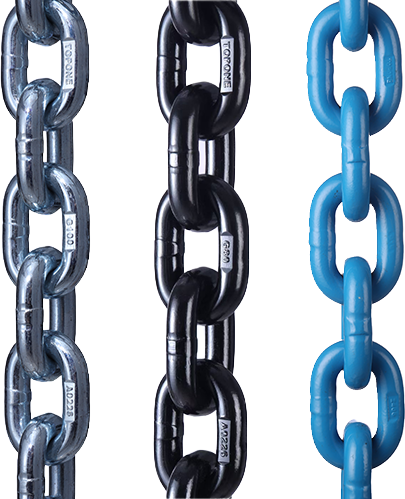
Proper lifting chain lubrication helps reduce friction, minimize wear, and protect chain links against corrosion. However, using the wrong lubricant or applying it incorrectly can affect chain performance and equipment safety.
This guide explains how to lubricate lifting chains correctly, including lubricant selection, application steps, maintenance frequency, and common mistakes to avoid.
Why Is Lifting Chain Lubrication Important?
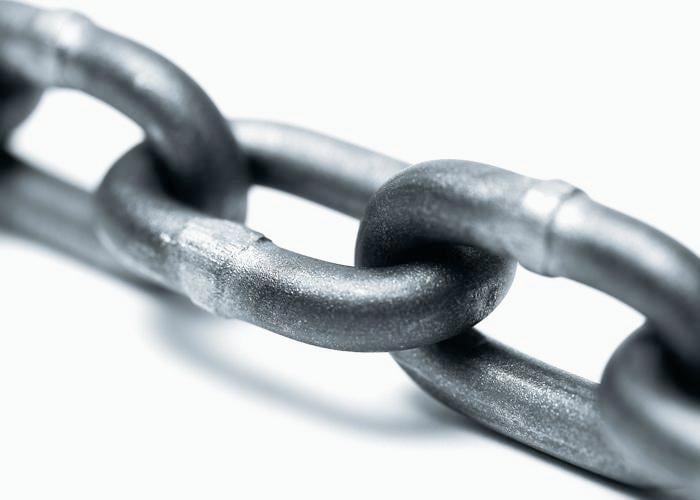
During lifting operations, chain links experience contact pressure and friction. In hoist load chains, repeated movement over the load wheel also contributes to wear.
Proper lubrication provides several benefits:
· Reduced friction: Limits metal-to-metal contact between moving links.
· Wear protection: Helps protect link contact surfaces during repeated lifting cycles.
· Corrosion resistance: Provides additional surface protection against moisture.
· Longer service life: Reduces lubrication-related wear when combined with proper inspection and maintenance.
Lubrication cannot restore damaged chains or increase their rated Working Load Limit (WLL).
What Lubricant Should You Use for a Lifting Chain?
Lubricant selection depends on the chain type, operating environment, and equipment manufacturer's instructions.
Lubricant Type | Typical Application | Important Consideration |
Chain oil | Many manual and electric hoist load chains | Must reach the contact surfaces between links |
Gear oil | Hoist chains where specified by the manufacturer | Select the approved viscosity |
Low-consistency grease | Certain hoist load chains | Use only when expressly approved |
Dry-film lubricant | Some dusty or abrasive environments | Verify compatibility with the equipment |
Important: There is no universal lubricant suitable for every lifting chain. Chain slings, hoist load chains, and stainless steel lifting chains may have different maintenance requirements.
Avoid used motor oil, unapproved chemicals, and lubricants that may contaminate braking components.
How to Lubricate a Lifting Chain: Step-by-Step
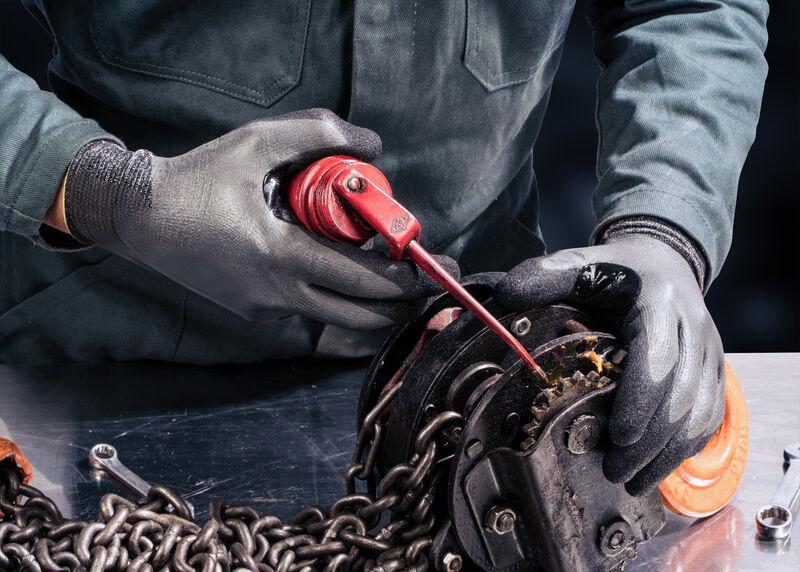
Step 1: Remove the Load and Secure the Equipment
Before lubrication, lower and safely support the load, remove tension from the chain, and isolate powered equipment according to the manufacturer's maintenance procedures.
Never lubricate a moving chain or work beneath a suspended load.
Step 2: Clean the Chain Surface
Remove dirt, dust, old lubricant, and loose contaminants using a clean cloth or a manufacturer-approved cleaning product.
Avoid aggressive acids, unapproved solvents, and abrasive cleaning methods that could damage the chain surface.
Step 3: Inspect the Chain for Damage
Examine the links for cracks, deformation, excessive wear, corrosion, and elongation.
Pay particular attention to contact areas between adjacent links.
Do not lubricate a defective chain as a substitute for repair or replacement. Chains showing rejection conditions must be removed from service and assessed according to the applicable inspection criteria.
Step 4: Apply Lubricant to the Contact Areas
Apply the approved lubricant along the chain, concentrating on the bearing surfaces where adjacent links contact each other.
For hoist load chains, ensure the lubricant reaches the interlink contact points rather than coating only the outer surfaces.
Follow the equipment manufacturer's instructions for accessing and lubricating the complete working length.
Step 5: Remove Excess Lubricant
Where the manufacturer specifies a light oil coating, wipe away excess lubricant to reduce dripping and contamination.
Keep lubricant away from hoist brake friction surfaces. Oil or grease contamination can interfere with braking performance.
Step 6: Check the Chain Before Returning to Service
After lubrication, verify that the chain is correctly positioned, free from twists, and properly seated in the equipment.
Perform the manufacturer's prescribed functional checks before returning the equipment to normal lifting operations.
How Often Should a Lifting Chain Be Lubricated?
There is no single lubrication interval suitable for all lifting chains.
Operating Condition | Maintenance Consideration |
Normal indoor operation | Follow the manufacturer's scheduled lubrication intervals |
Frequent lifting cycles | Inspect lubrication condition more frequently |
Dusty or abrasive environments | Increase cleaning frequency and use an approved lubricant |
Humid or corrosive environments | Monitor corrosion and lubricant condition closely |
Extended storage | Inspect and maintain the chain before returning it to service |
The actual maintenance schedule should follow the equipment manual, operating conditions, and inspection findings.
Common Lifting Chain Lubrication Mistakes
Several maintenance mistakes can reduce lubrication effectiveness or create safety risks.
1. Using an unapproved lubricant: Different hoist designs may require different oils or greases.
2. Lubricating without cleaning: Dirt trapped in lubricant can contribute to abrasive wear.
3. Ignoring interlink contact areas: Surface coating alone may not protect the locations experiencing the greatest friction.
4. Allowing lubricant onto brake surfaces: Brake contamination can affect load control.
5. Using lubrication to conceal damage: Cracked, stretched, or excessively worn chains require proper evaluation, not additional oil.
Related Lifting Chain Products and Maintenance Guides
Correct lubrication is one part of a complete lifting chain maintenance program.
TOPONE supplies Electric Hoist Load Chains for lifting equipment applications. Lubrication requirements should always be confirmed against the specific hoist manufacturer's instructions.
For further technical information, read our guides on Lifting Chain Elongation and EN 818-7 Hoist Chain Safety.
Frequently Asked Questions
Can you use grease on a lifting chain?
Only when the equipment manufacturer permits it. Some hoist chains require oil, while certain designs allow specified grease.
Can lubrication prevent chain rust?
Lubrication can provide some corrosion protection, but it cannot replace proper material selection, storage, and inspection.
Should a lifting chain be lubricated before every use?
Not necessarily. Follow the manufacturer's maintenance schedule and inspect the chain before use.
Conclusion
Effective lifting chain lubrication requires the correct lubricant, clean contact surfaces, careful application, and regular inspection.
For hoist load chains, lubrication should reach the interlink contact areas without contaminating braking components. Always follow the equipment manufacturer's instructions and remove damaged chains from service.
Contact TOPONE for lifting chain specifications and product selection assistance.