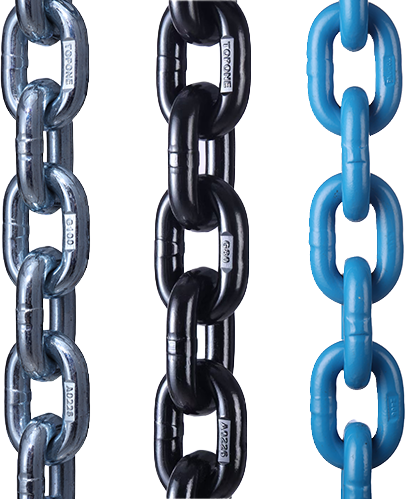
How to Use Lifting Chains Safely and Correctly
Using a lifting chain may look straightforward, but incorrect use remains one of the most common causes of lifting accidents. In most cases, failures happen not because the chain is weak—but because it is used the wrong way.
This practical guide explains how to use lifting chains step by step, helping operators lift safely, efficiently, and with confidence.
What Is a Lifting Chain Used For?
A lifting chain is designed to lift and suspend loads vertically or at controlled angles using cranes, hoists, or overhead systems. Unlike transport or towing chains, lifting chains are manufactured from alloy steel and certified specifically for overhead lifting.
Common uses include:
Crane lifting operations
Chain hoist systems
Chain sling assemblies
Heavy machinery positioning
Choose the Correct Lifting Chain
Before lifting anything, selection is critical.
Check:
Working Load Limit (WLL)
Chain grade (typically G80 lifting chain)
Chain diameter and length
Sling configuration (single-leg, multi-leg)
Using a lifting chain below the required capacity is unsafe—even if the load “looks light.”
Inspect the Lifting Chain Before Use
Never skip inspection.
Before every lift:
Check for cracks, bends, or wear
Look for elongated or twisted links
Inspect hooks and safety latches
Verify identification markings
A damaged lifting chain should never be used, even once.
Attach the Lifting Chain Properly
Correct attachment prevents slippage and shock loading.
Best practices:
Seat hooks fully in lifting points
Avoid side loading hooks
Ensure chain legs are not twisted
Use grab hooks only on compatible chain links
Proper connection is essential for lifting chain safety.
Control Lifting Angles
Lifting angle has a major impact on load capacity.
Vertical lifts provide maximum WLL
As angle increases, capacity decreases
Never exceed the rated sling angle
When using a lifting chain sling, always follow angle ratings provided by the manufacturer.
Lift Smoothly and Avoid Shock Loads
Shock loading is extremely dangerous.
Always:
Lift slowly and steadily
Avoid sudden starts or stops
Keep the load balanced
Never drag or jerk the lifting chain
Even a high-quality heavy duty lifting chain can fail if shock loaded repeatedly.
Monitor the Load During the Lift
During lifting:
Keep people clear of the load
Watch for load rotation or slipping
Stop immediately if anything feels wrong
Safe lifting is not just about equipment—it’s about awareness.
Lower and Store the Lifting Chain Correctly
After use:
Lower the load slowly
Remove tension before disconnecting
Clean and dry the lifting chain
Store it in a clean, dry place
Good storage extends chain life and keeps inspections easier.
Common Mistakes When Using Lifting Chains
Avoid these frequent errors:
Using transport chain instead of lifting chain
Exceeding rated capacity
Side loading hooks
Skipping inspections
Dragging chains across sharp edges
Most accidents trace back to one of these mistakes.
A Practical Tip
If lifting feels unstable or the chain seems bulky to handle, the issue may be chain size or grade selection, not technique.
In many cases, switching to a properly rated alloy lifting chain allows safer lifting with better handling—without changing the hoist or crane.
Final Thoughts
Knowing how to use lifting chains correctly is essential for safe and efficient lifting. From selection and inspection to attachment and movement, every step matters.
A lifting chain is a powerful tool—but only when used with respect and proper technique.