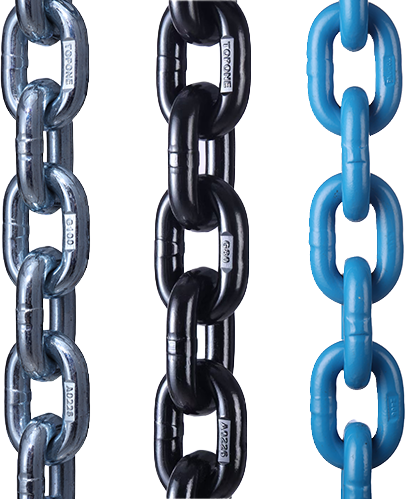
Inspecting a lifting chain correctly is one of the simplest yet most effective ways to prevent lifting accidents. Many chain failures happen not because the load was too heavy, but because small warning signs were ignored.
This step-by-step guide explains how to inspect a lifting chain properly, whether it’s used daily or only occasionally.
Why Lifting Chain Inspection Matters
A lifting chain works under constant stress, friction, and environmental exposure. Over time, even high-quality alloy chains can suffer from:
Wear at contact points
Elongation under repeated loads
Heat or corrosion damage
Hidden cracks
Regular inspection ensures lifting chain safety and extends service life.
Clean the Lifting Chain
Before inspection, the chain must be clean.
Remove dirt, grease, or paint
Use a dry cloth or mild cleaner
Never inspect a dirty lifting chain
Damage can easily hide beneath oil or debris.
Check for Visible Damage
Visually inspect every link of the lifting chain, looking for:
Cracks or surface fractures
Bent, twisted, or gouged links
Flattened areas on chain links
Evidence of heat damage (discoloration)
Any visible structural damage is a reason to remove the chain from service.
Measure Chain Wear and Elongation
Wear often appears where links contact hooks or other links.
What to check:
Reduced link thickness
Elongation beyond allowable limits
Uneven wear patterns
If a lifting chain shows excessive wear or measurable elongation, it should no longer be used.
Inspect Hooks and Fittings
A lifting chain is only as safe as its weakest component.
Check:
Hooks for throat opening
Deformed or bent hooks
Damaged safety latches
Loose or cracked fittings
Hook damage is one of the most common lifting failures.
Verify Identification and Certification
Every certified lifting chain should have:
Grade marking (e.g. G80 or G100)
Working Load Limit (WLL)
Identification tag or traceable marking
If markings are missing or unreadable, the chain should be removed from service until verified.
Assess Operating Conditions
Consider how the lifting chain is being used:
Overhead lifting frequency
Exposure to chemicals or moisture
High temperatures
Shock loading or side loading
Harsh conditions require more frequent inspections.
How Often Should You Inspect a Lifting Chain?
Before every use – visual check
Every 3–12 months – formal inspection
After overload or shock – immediate inspection
Inspection frequency depends on usage intensity and environment.
A Practical Tip
If inspections repeatedly show early wear, the issue may not be misuse—it could be chain grade selection.
Upgrading to a properly certified alloy lifting chain, such as a high-quality G80 chain, often improves wear resistance and inspection results without changing lifting procedures.
When to Remove a Lifting Chain from Service
Immediately stop using a lifting chain if:
Cracks or heat damage are found
Wear exceeds allowable limits
Elongation is excessive
Identification is missing
No inspection should ever end with “maybe safe.”
Final Thoughts
Knowing how to inspect a lifting chain step by step is essential for safe lifting operations. A few minutes of inspection can prevent equipment damage, downtime, or serious injury.
Consistent inspection turns the lifting chain from a risk into a reliable tool.