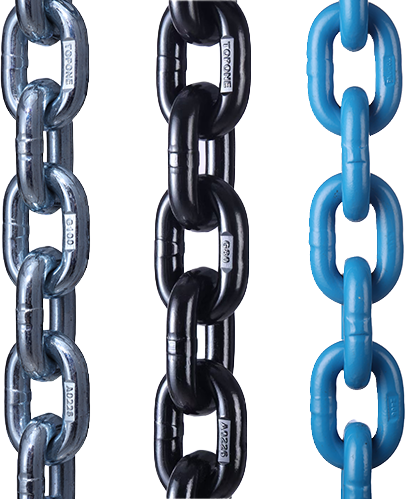
How to Use Chain Hoist for Lifting
A chain hoist may look simple, but safe lifting depends heavily on how the lifting chain is used during operation. Many lifting incidents occur not because the hoist fails, but because the chain is overloaded, twisted, or handled incorrectly.
This guide explains how to use a chain hoist for lifting step by step, with a focus on correct lifting chain use, safety, and efficiency.
What Is a Chain Hoist?
A chain hoist is a mechanical lifting device that uses a lifting chain to raise or lower loads vertically. Chain hoists can be manual or powered and are widely used in workshops, factories, construction sites, and maintenance operations.
The lifting chain is the component that directly supports the load, making correct use essential for safety.
Select the Right Lifting Chain and Hoist
Before lifting, confirm that:
The hoist’s rated capacity exceeds the load
The lifting chain is certified for overhead lifting
The chain grade (commonly G80 lifting chain) is appropriate
Chain length is sufficient for the lifting height
Never exceed the working load limit of the lifting chain, even if the hoist itself appears strong enough.
Inspect the Lifting Chain Before Use
Always inspect the lifting chain before operating a chain hoist.
Check for:
Cracks or bent links
Excessive wear or elongation
Twisted chain links
Damaged hooks or missing latches
Unreadable identification markings
A damaged lifting chain must be removed from service immediately.
Position the Chain Hoist Correctly
Correct hoist positioning reduces stress on the lifting chain.
Best practices:
Align the hoist directly above the load
Avoid side pulling or angled lifting
Ensure the chain hangs freely without obstruction
Side loading places dangerous forces on the lifting chain and hooks.
Attach the Load Securely
When attaching the lifting chain to the load:
Ensure hooks are fully seated
Avoid point loading on chain links
Do not twist or knot the chain
Balance the load before lifting
Proper attachment helps the lifting chain carry the load evenly.
Operate the Chain Hoist Smoothly
During lifting:
Apply force slowly and steadily
Avoid sudden jerks or shock loads
Lift just clear of the ground to check balance
Continue lifting smoothly once stable
Shock loading significantly shortens lifting chain service life.
Monitor the Lift
While lifting:
Keep all personnel clear of the load
Watch for load rotation or slipping
Stop immediately if abnormal movement occurs
Safe operation relies on continuous attention, not just equipment strength.
Lower the Load and Store the Lifting Chain
After lifting:
Lower the load slowly
Remove tension before disconnecting
Clean and dry the lifting chain
Store it in a dry, protected area
Proper storage prevents corrosion and simplifies future inspections.
Common Mistakes When Using a Chain Hoist
Avoid these frequent errors:
Using transport chain instead of lifting chain
Exceeding rated chain capacity
Pulling the hoist at an angle
Skipping inspections
Allowing the chain to twist or kink
Most chain hoist accidents are caused by these mistakes.
A Practical Tip
If a chain hoist feels hard to operate or the chain seems overly heavy, the issue may be chain size or grade, not the hoist itself.
In many cases, using a properly rated alloy lifting chain improves handling and safety without changing the hoist mechanism.
Final Thoughts
Knowing how to use a chain hoist for lifting correctly starts with understanding how the lifting chain works. Proper selection, inspection, positioning, and smooth operation all contribute to safer lifts and longer equipment life.
When the lifting chain is used correctly, a chain hoist becomes one of the most reliable lifting tools available.