Introduction
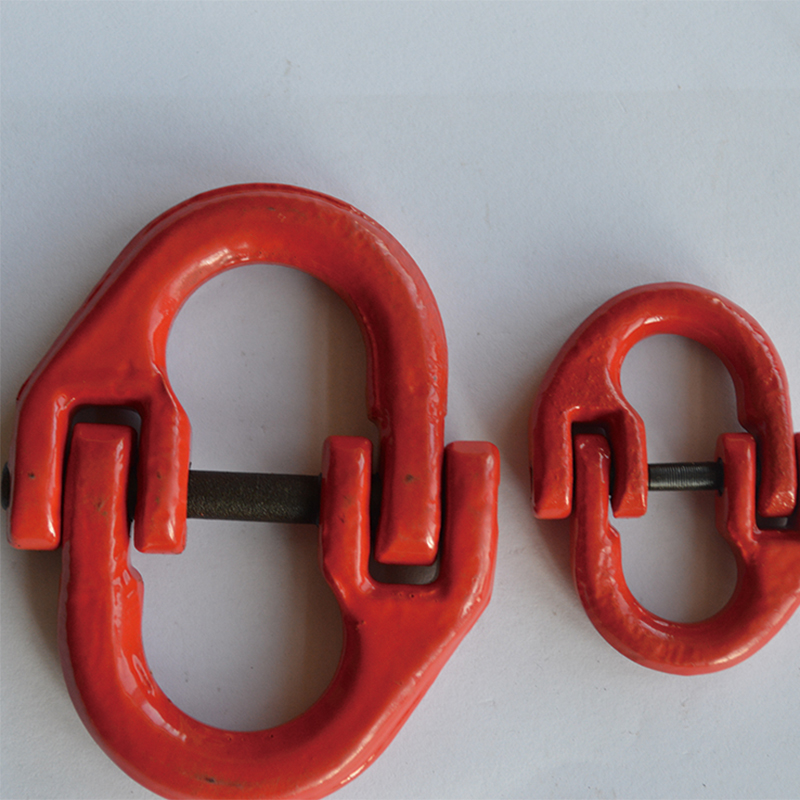
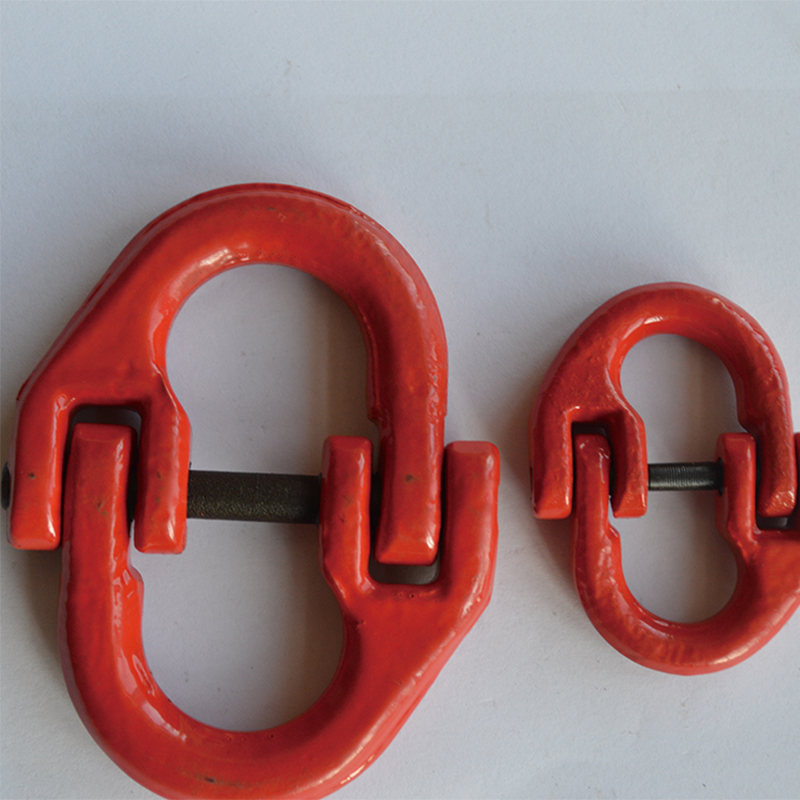
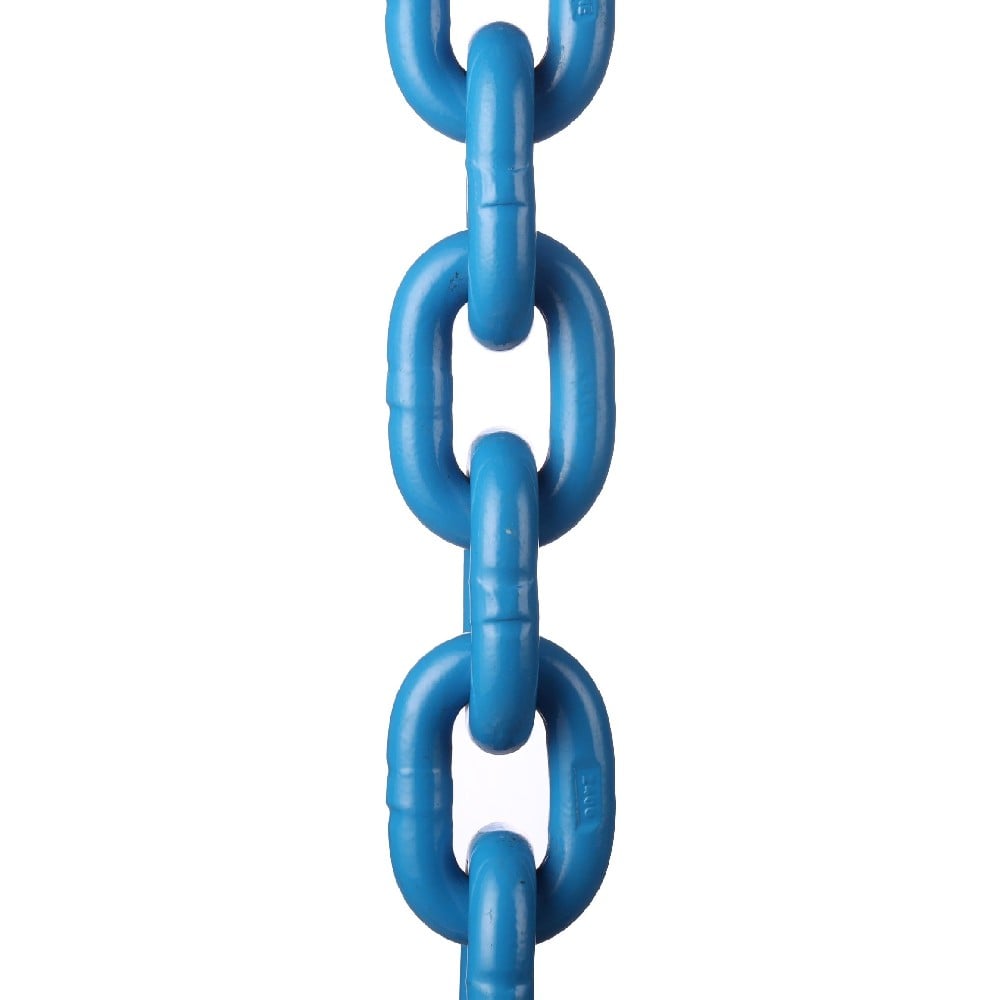
In high-risk lifting environments, the integrity of a chain sling assembly is paramount. The Grade 100 Connecting Link - Non-Removable addresses the need for "tamper-evident" and "permanent-stay" connections. While standard coupling links allow for field assembly and disassembly, the non-removable variant utilizes a positive locking pin that, once driven into place, is secured by a heavy-duty interference fit or a specialized locking sleeve. This ensures the assembly remains intact throughout its service life, even under extreme vibration or dynamic loading.
Material Science and Metallurgy
The superior performance of this link is rooted in its metallurgical composition. By utilizing triple-alloy steel (typically containing Chromium, Nickel, and Molybdenum), the component achieves high tensile strength without sacrificing fracture toughness. The Quenching and Tempering (Q&T) process is critical; it refines the grain structure of the steel, resulting in a "high-quality finish because of the controlled deoxidation and heat treatment processes." This prevents brittle failure, a vital safety feature for overhead lifting components.
Operational Advantages
• Weight Efficiency: The increased strength of Grade 100 material allows for a smaller frame size to achieve the same WLL as larger Grade 80 links, reducing rigger fatigue.
• Corrosion Resistance: The "tough powder coat finish" is applied via electrostatic deposition, providing a barrier that is "highly resistant to salt spray and chemical exposure because of its dense, non-porous molecular structure."
• Clear Traceability: Each link is embossed with the manufacturer's mark, material grade (10), and size, ensuring compliance with OSHA and ASME traceability requirements.
Standards
The Grade 100 Connecting Link - Non-Removable is manufactured and tested to meet or exceed the following global standards:
• EN 1677-1: Components for slings - Safety - Part 1: Forged steel components, Grade 8. (Modified for Grade 100 increased load capacity).
• EN 1677-4: Components for slings - Safety - Part 4: Links, Grade 8.
• ASTM A952/A952M: Standard Specification for Forged Grade 100 Alloy Steel Lifting Components.
• ASME B30.26: Rigging Hardware - Safety Standard for Cableways, Cranes, Derricks, Hoists, Hooks, Jacks, and Slings.
Testing and Quality Assurance
• 100% Proof Testing: Every link is subjected to a proof load of 2.5 times the WLL to verify structural integrity.
• Magnaflux Inspection: Components undergo electromagnetic crack detection (MPI) to ensure they are "free from surface defects because of the rigorous non-destructive testing protocols."
• Fatigue Testing: Representative samples are fatigue tested to 20,000 cycles at 1.5 times the WLL to ensure long-term reliability under dynamic loads.
Safety and Maintenance
• Straight Pull Only: This component is designed exclusively for straight-line tension. Side-loading or bending moments must be avoided.
• Inspection Criteria: Links must be removed from service if wear exceeds 10% of the original dimension or if any deformation, nicks, or cracks are visible.
• Temperature Limits: Suitable for use in temperatures ranging from -40°F to 400°F (-40°C to 204°C) without reduction in WLL.