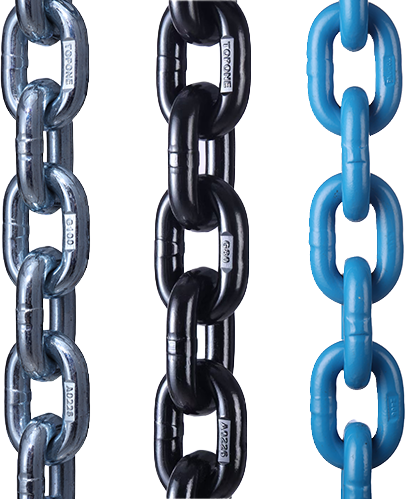
Lifting chain inspection frequency depends on what the chain is used for. A chain sling needs a check before use and a scheduled, more thorough inspection. The load chain installed in a hoist must be checked as part of the hoist, following that equipment’s instructions. Either type needs immediate attention after an overload, impact, or other event that may have caused damage.
There is no responsible single answer such as “inspect every six months” for every lifting chain. The interval depends on the assembly, operating conditions, applicable local requirements, and manufacturer’s instructions. The first step is to identify which chain you are inspecting.
Does Every Lifting Chain Have the Same Inspection Schedule?
No. A chain sling is a lifting accessory with links, connectors, master links, and hooks. A hoist load chain is a component working inside a manual or electric hoist. Their inspections must cover different parts of the lifting system.
Chain or assembly | Routine check | Scheduled inspection |
Chain sling | Check the complete sling before use, including links, identification, master links, connectors, and hooks. | Set a documented interval under the rules that apply where the sling is used. Increase frequency when service is severe. |
Manual or electric hoist load chain | Check visible chain condition and hoist operation before use. | Follow the hoist manufacturer’s inspection procedure and the applicable equipment requirements. Inspect the complete hoist, including its chain wheel, guides, hooks, and brake. |
Replacement lifting chain in storage | Check identification and condition before it is fitted or assembled. | Keep it traceable and inspect it again if storage conditions may have caused deterioration. |
For example, U.S. OSHA requires a designated competent person to inspect slings each day before use and requires a thorough periodic inspection of alloy steel chain slings at intervals no greater than 12 months. In the UK, lifting accessories are generally subject to a thorough examination every 6 months, unless an applicable examination scheme specifies another interval. These are jurisdiction-specific requirements, not interchangeable global rules.
What Should Be Checked Before Use?
A pre-use check looks for changes that make the chain or its attachments unsuitable for the next lift:
· Identification: Can the sling or hoist and its rated capacity be identified?
· Links: Are there cracks, bending, twisting, abnormal wear, or visible stretching?
· Contact points: Is there wear where adjacent links bear against one another?
· Attachments: Are master links, connectors, and hooks free from visible damage or deformation?
· Operation: If the chain is installed in a hoist, does it feed correctly through the equipment without twisting, jumping, or jamming?
This check does not replace a detailed inspection. It helps identify an immediate problem before a load is attached. For the full inspection sequence, see TOPONE’s How to Inspect a Lifting Chain Step by Step.
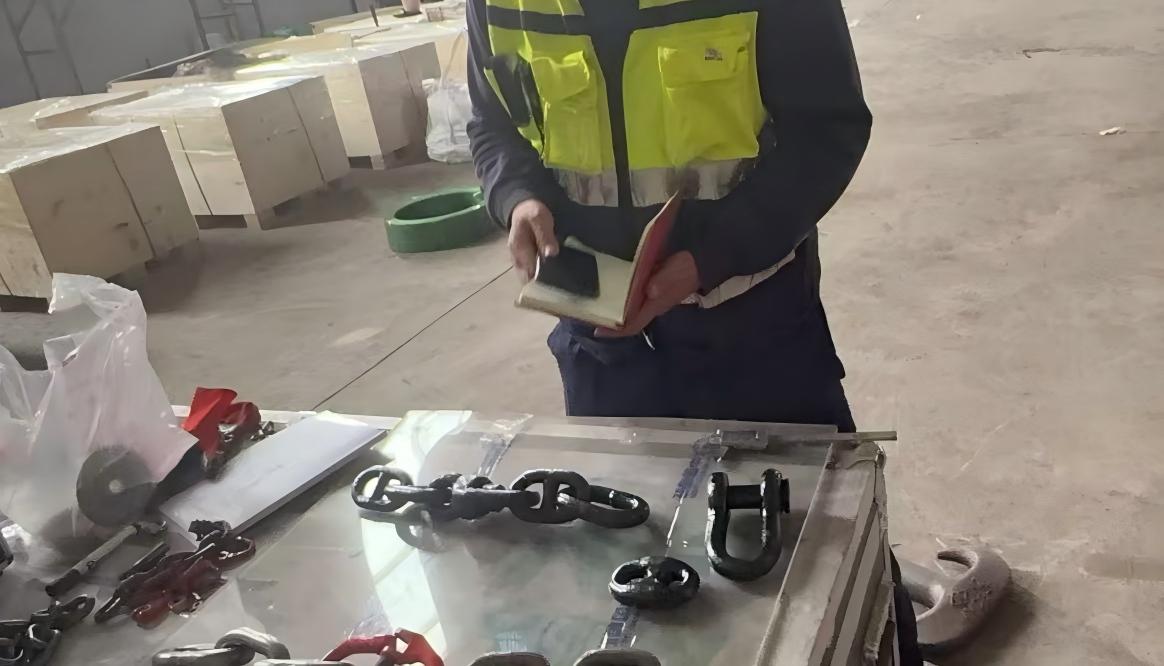
When Should Periodic Inspections Be More Frequent?
The maximum interval allowed by a local rule is not automatically the best interval for every job. Set a shorter schedule when the chain is exposed to conditions that may accelerate wear or damage, such as:
· frequent lifting cycles;
· abrasive dust or repeated contact with hard surfaces;
· moisture, salt, or chemicals;
· demanding lifting arrangements;
· a history of early wear or recurring defects.
A periodic inspection should examine the entire accessible chain and assembly, measure questionable wear or dimensional change, and compare findings with the applicable limits. Record the chain or sling identification, inspection date, findings, and action taken. TOPONE’s guide to measuring chain wear and elongation explains why visual appearance alone may not reveal dimensional change.
When Is an Immediate Extra Inspection Needed?
Do not wait for the next scheduled date if a chain has been involved in an overload, shock load, snagging event, unusual hoist operation, or suspected heat or chemical exposure. Remove the affected equipment from use and have its condition assessed before another lift.
The same applies when someone finds a crack, significant deformation, questionable wear, or an identification problem. An inspection date on a record cannot make a currently damaged chain safe to use.
Is Inspection the Same as Load Testing?
No. Inspection examines the condition of the chain and its assembly through visual checks, measurements, and, where appropriate, functional checks. Load testing applies a controlled test load for a specified purpose. A routine inspection does not automatically require a proof load test, and a previous test does not remove the need for ongoing inspections.
Testing requirements depend on the product, whether it is new or repaired, and the applicable rules. For that separate question, read How Often Do Lifting Chains Need to Be Tested?.
Choosing Chain and Sling Products for an Inspection Program
Keep the manufacturer’s product information with each assembly so inspectors can identify its grade, dimensions, configuration, and applicable limits. If a sling is replaced, select the complete assembly for the intended working load and lifting arrangement.
TOPONE offers chain lifting slings in different configurations, along with Grade 80 Lifting Chain and G100 Lifting Chain. Confirm the specification of the actual product before applying inspection limits; a chain grade alone does not define the rating or inspection procedure of a complete sling or hoist.
FAQ
Should a lifting chain be inspected before every lift?
Check its condition before use. If it is moved, reconfigured, exposed to a damaging event, or shows a change during work, check it again before the next lift. Follow the pre-use frequency required for the specific equipment and work location.
Is an annual inspection enough for every chain sling?
No. An annual interval may be a maximum under one applicable requirement, while another location or a demanding operating environment may require more frequent examination.
Can an operator carry out the periodic inspection?
A trained operator may perform appropriate pre-use checks. A formal or thorough inspection must be performed by a person with the competence required by the applicable rules and the equipment involved.
Does an unused chain still need inspection?
Check its identification and condition before it is put into service. Storage does not rule out corrosion, damage, or loss of traceability.
Conclusion
The practical answer to how often lifting chains should be inspected is: check before use, inspect thoroughly on a schedule suited to the chain and its operating conditions, and inspect immediately after a potentially damaging event. Identify whether the item is a chain sling or a hoist load chain before setting the schedule, then follow the applicable local requirements and manufacturer’s instructions.