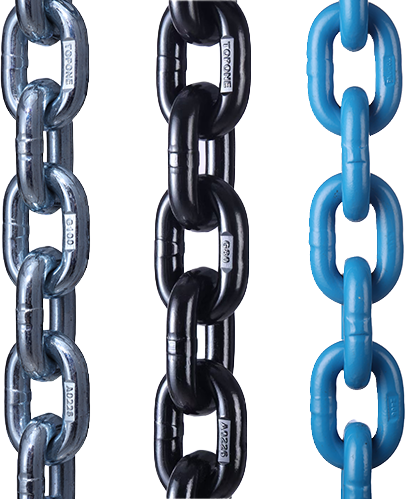
A chain sling should be removed from service as soon as damage raises doubt about its strength or safe operation. Cracked links, excessive wear, deformation, damaged hooks, and missing identification are all reasons to stop using the sling and have it assessed.
Removing a sling from service does not always mean discarding it permanently. It means the sling cannot be used for another lift until a competent person determines whether it can be repaired and returned to service or must be replaced. The following chain sling discard criteria help operators recognize when that decision is needed.
What Are the Main Chain Sling Discard Criteria?
A chain sling is a complete assembly. Inspect every chain leg as well as its master link, connectors, and hooks.
Inspection finding | What to do |
Missing or illegible identification tag | Remove the sling until its grade, size, and rated capacity can be verified and properly identified. |
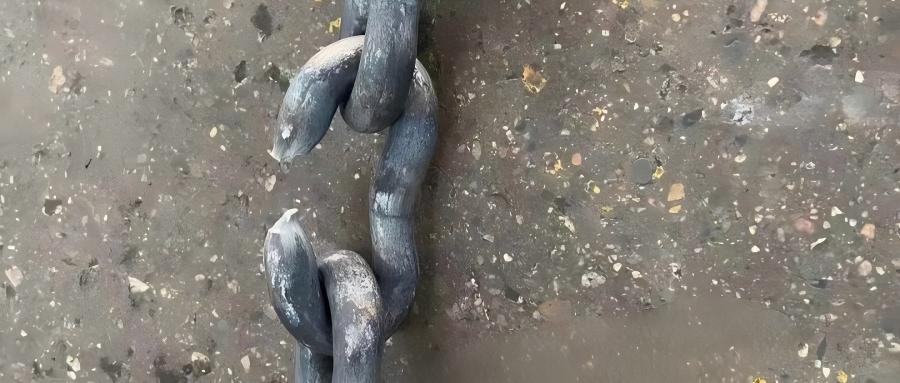
Cracked or broken chain link | Stop use immediately and assess the complete assembly. |
Bent, twisted, or visibly stretched link | Remove the sling for inspection and measurement. |
Link worn below the applicable minimum dimension | Remove the sling from service. |
Cracked or deformed master link or connector | Remove the complete sling assembly. |
Cracked, opened, or twisted hook | Stop use and compare its condition with the applicable hook limits. |
Severe corrosion, pitting, or signs of overheating | Remove the sling for a competent assessment. |
Pay particular attention to the contact points between adjoining links. Repeated movement can wear these surfaces even when the outer sides of the chain appear sound. Compare questionable areas with the original dimensions and the limits applicable to that sling.
Which Measurements Matter During Inspection?
Visual checks identify obvious damage, but some decisions require measurements.
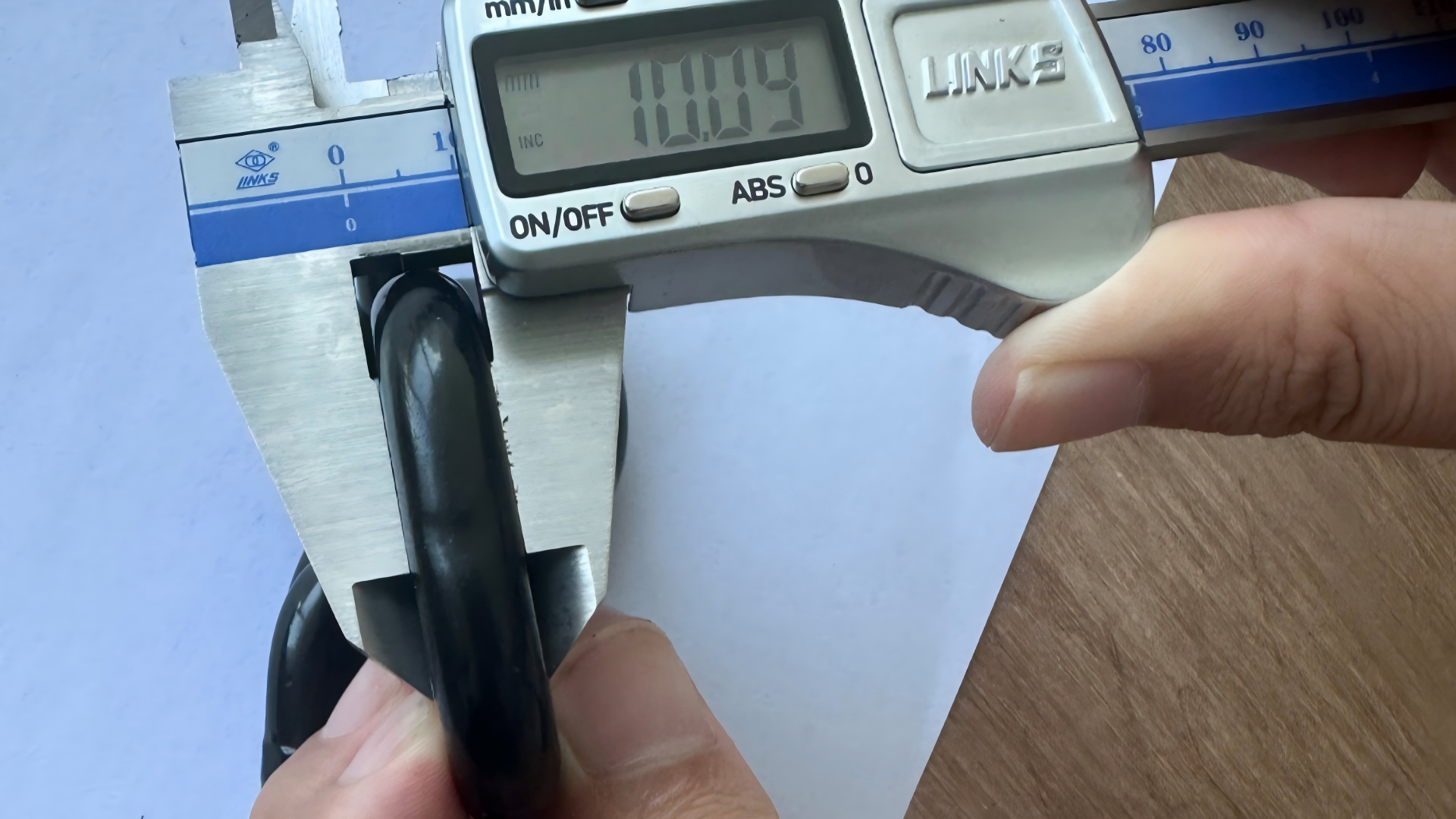
· Link diameter: Measure the most worn point of the link and compare it with the minimum permitted for the chain’s size and specification. Do not apply one assumed wear percentage to every grade and size.
· Sling length: An increase compared with the original reach may indicate that a link or another component has stretched.
· Hook throat opening and twist: Compare the hook with its original dimensions and the applicable manufacturer’s limits. A latch that no longer closes correctly is another reason to stop and inspect the hook.
· Component condition: Measure or assess master links and connectors as well as the chain. The sling’s usable capacity depends on the complete assembly.
If the original dimensions or applicable limits cannot be established, keep the sling out of service while its condition is investigated.
How Often Should a Chain Sling Be Inspected?
Inspect a chain sling before each day’s use and whenever an incident or operating condition may have caused damage. Regular, more thorough inspections should account for how often the sling is used, the severity of the work, and the types of lifts performed.
Lay out the sling so every link is visible. Check link contact surfaces, weld areas, master links, connectors, hooks, and the identification tag. Record defects and relevant measurements so changes can be compared over time.
What Should You Do When a Sling Fails Inspection?
1. Stop using it. Mark or separate the sling so it cannot be selected for another lift.
2. Record the defect. Note the sling identification, affected component, and any measurements or photographs.
3. Assess repair or replacement. Have a competent person review the complete assembly against the applicable requirements and manufacturer’s instructions.
4. Verify its condition before reuse. Any permitted repair must be completed and tested as required for that sling. Do not improvise a repair with an unapproved link or attachment.
A sling involved in an overload, shock load, or other unusual event should also be removed for assessment, even if damage is not immediately visible.
How Do You Choose a Replacement?
Select the replacement by the working load limit (WLL) of the complete sling assembly, chain grade and size, number of legs, sling angle, hook type, and required reach. The rating of an individual chain component does not replace the rating of the assembled sling.
Explore TOPONE’s chain lifting slings for available configurations. For chain options, see Grade 80 Lifting Chain and G100 Lifting Chain. For multi-leg lifts, read Why Does Chain Sling WLL Change With the Sling Angle? before choosing a configuration.
FAQ
Can a chain sling be used without an identification tag?
Do not use a sling whose grade and rated capacity cannot be reliably identified. Remove it from service and have its identification resolved before considering reuse.
Does surface rust mean the sling must be discarded?
Minor surface discoloration alone does not show how much metal has been lost. Pitting, measurable section loss, or corrosion that makes the link difficult to assess requires removal and further inspection.
Can a bent hook or damaged link be straightened on site?
Do not return a deformed component to service after an improvised repair. Remove the sling and follow the repair or replacement procedure applicable to that assembly.
Does removal from service always mean permanent disposal?
No. Removal prevents further lifting while the sling is assessed. Depending on the defect and applicable requirements, the outcome may be approved repair, component replacement, or permanent retirement.
Conclusion
The safest way to apply chain sling discard criteria is to stop using a sling whenever its identification, dimensions, shape, or components are in doubt. Inspect the complete assembly, measure questionable areas against the correct limits, and allow reuse only after its condition has been verified.