Modern poultry farms operate on an enormous scale. Thousands—or even hundreds of thousands—of laying hens produce millions of eggs daily. Collecting, transporting, grading, and packaging these eggs efficiently while minimizing damage is one of the greatest operational challenges in the poultry industry.
Manual egg collection is labor-intensive, time-consuming, and inconsistent. More importantly, handling damage—cracked, dirty, or contaminated eggs—directly impacts farm profitability. Even a small increase in breakage rates can translate into significant financial losses over time.
This is where egg conveying systems become essential. Automated egg conveyors provide a continuous, gentle, and hygienic solution for transporting eggs from the point of lay through to grading and packaging—reducing labor requirements while preserving egg quality and maximizing production efficiency.
What Is an Egg Conveying System?
An egg conveying system is a specialized material handling solution designed to transport eggs gently and continuously through the various stages of post-lay processing. Unlike general-purpose conveyors, egg conveyors are engineered with features that protect the fragile nature of eggs while maintaining high throughput.
Key components of a typical egg conveying system include:
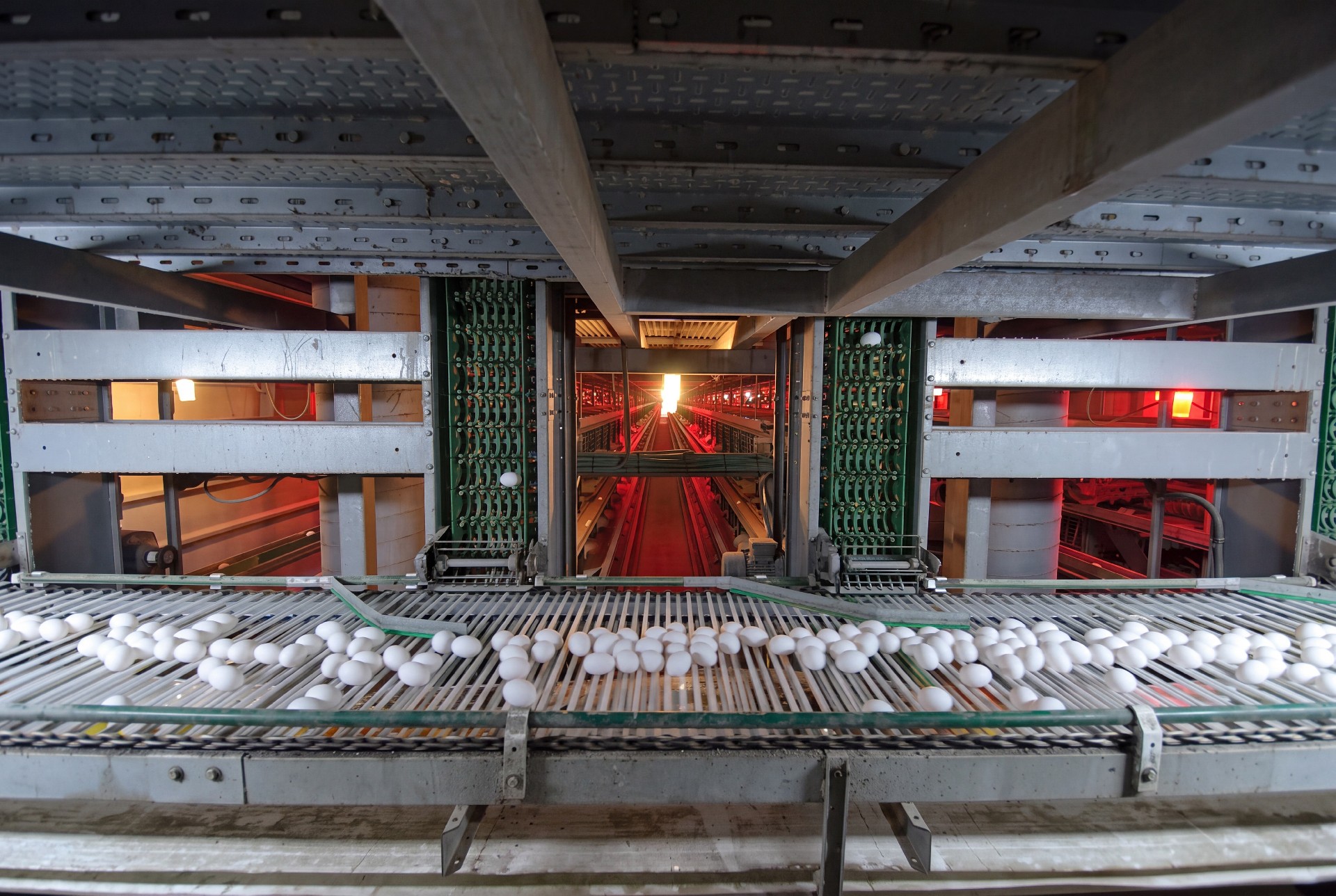
Collection conveyors: Running beneath or alongside laying cages to receive eggs as they are laid
Elevating conveyors: Lifting eggs from floor level to grading and packaging heights
Transfer conveyors: Moving eggs between different processing stations
Grading and packaging conveyors: Transporting eggs through inspection, weighing, and packing operations
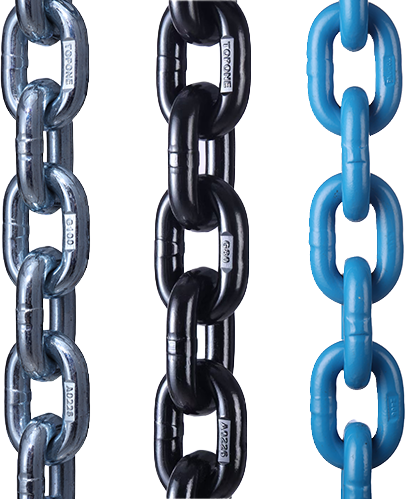
Chain and drive mechanisms: Providing reliable, continuous power transmission
Control systems: Managing conveyor speed and integration with automated sorting equipment
The entire system works together to create a seamless, damage-free flow of eggs from the laying house to the shipping container.
Common Applications in Poultry Operations
Egg conveying systems are deployed across multiple areas of modern poultry farm operations:
Poultry Egg Collection
In large-scale layer operations, eggs are collected continuously throughout the day. Collection conveyors run beneath cages or along collection belts, receiving eggs as they are laid and transporting them to central collection points. This eliminates manual gathering and ensures eggs are handled promptly, reducing the risk of dirt, cracking, or contamination.
Egg Grading Facilities
Grading facilities receive eggs from multiple collection points and process them through inspection, weighing, candling, and sorting operations. Conveyor systems move eggs smoothly through these processes, enabling high-speed, automated grading that would be impossible with manual handling.
Packaging Lines
Once graded, eggs must be packaged into cartons, trays, or other containers for distribution. Packaging conveyors transport eggs to filling stations where automated equipment places them into packaging. The conveyor system ensures a steady, consistent flow that maximizes packaging line efficiency.
Farm Conveyor Systems
Within large poultry complexes, eggs may need to be transported between different buildings or production areas. Integrated farm conveyor systems provide connectivity between laying houses, grading stations, and packaging facilities, creating a unified material flow across the entire operation.
Automated Egg Handling
Modern poultry farms increasingly rely on fully automated egg handling systems that integrate conveyors with sensors, sorters, counting devices, and data collection systems. These smart conveyor systems provide real-time production data, enabling better management decisions and traceability throughout the supply chain.
Why Egg Conveying Systems Are the Preferred Solution
1. Gentle Handling to Minimize Damage
Eggs are fragile. The cracking or breakage that can occur during manual collection and transport is a significant source of loss. Egg conveying systems are designed with gentle transfer points, cushioned surfaces, and controlled speeds that minimize impact and rolling forces. The result is lower breakage rates and higher-quality output.
The financial impact: Even a 1% reduction in breakage on a farm producing 1 million eggs per day translates to 10,000 additional saleable eggs daily—a substantial revenue improvement.
2. Reduced Labor Costs and Manual Handling
Manual egg collection is one of the most labor-intensive tasks in poultry farming. Workers must walk long distances, bend repeatedly, and handle eggs individually. Egg conveying systems automate this process, freeing workers for more skilled tasks and reducing fatigue-related injuries. With rising labor costs and workforce shortages, automation has become a strategic necessity.
3. Continuous, Uninterrupted Operation
Egg laying is continuous. A system that requires stopping for manual collection disrupts the natural rhythm of production. Egg conveyors operate around the clock, collecting eggs as they are laid and maintaining a steady flow to downstream processing equipment.
4. Improved Hygiene and Food Safety
Eggs can be contaminated by contact with floors, feces, or other surfaces. Conveyor systems provide a clean, controlled pathway that minimizes contamination risks. Many systems also include cleaning mechanisms that maintain hygienic conditions, supporting compliance with food safety regulations such as HACCP and FSMA.
5. Scalability for Growing Operations
As poultry operations expand, manual collection methods become increasingly impractical. Egg conveying systems are scalable—additional conveyors, longer runs, and expanded grading lines can be added as production volumes grow, providing a long-term solution that adapts to changing needs.
6. Integration with Automation Technology
Modern egg conveyors are designed for integration with automated grading, weighing, candling, and packaging equipment. This integration enables real-time production monitoring, quality control, and traceability—essential capabilities for modern food production operations.