Modern slaughterhouses and meat processing plants face a significant operational challenge: the continuous generation of by-products and organic waste. Every stage of the slaughtering and processing cycle produces material that must be efficiently collected, transported, and disposed of or sent for further processing.
From blood, bones, and viscera to feathers, hides, and condemned materials, the volume of by-products generated daily is substantial. Without an effective handling system, these materials accumulate, creating hygiene risks, odor problems, regulatory compliance issues, and operational bottlenecks.
This is where by-product scraper conveyor systems come into play—providing a reliable, continuous, and hygienic solution for transporting organic waste and processing residues across slaughterhouse operations.
What Is a By-product Scraper Conveyor System?
A scraper conveyor is a continuous conveying device that uses chains and scraper blades to push materials along a trough or enclosed channel. Unlike belt conveyors, scraper conveyors are specifically designed to handle challenging materials—including high-moisture, high-viscosity, and abrasive substances.
Key components of a typical by-product scraper conveyor include:
A sealed trough or housing that contains the material during transport
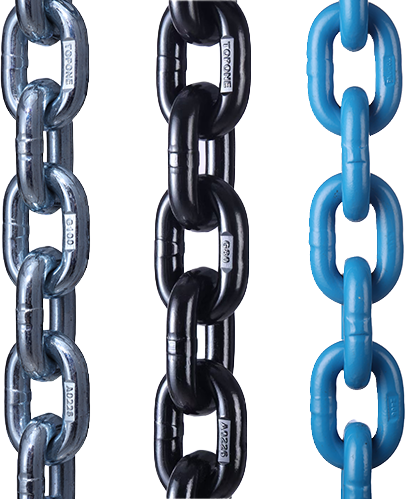
Heavy-duty chains that drive the scraping action
Scraper blades mounted on the chains at regular intervals
Drive and return mechanisms that power the system
Inlet and outlet points for material loading and discharge
The system operates by continuously moving the chain and scraper assembly through the trough, pushing material from the feed point to the discharge point. This design makes scraper conveyors ideal for handling the organic, wet, and often abrasive materials commonly found in slaughterhouse by-product streams.
Common Applications in Slaughterhouse and Processing Operations
Scraper conveyor systems are deployed across multiple areas of slaughterhouse and processing plant operations:
Organic Waste Conveying
Blood, offal, paunch contents, and other organic waste materials require immediate collection and transport to prevent contamination and odor issues. Scraper conveyors provide a closed, hygienic pathway from processing areas to collection points or rendering facilities.
Processing Residue Transport
Bones, fat trimmings, and other solid residues generated during cutting and deboning operations must be moved efficiently to rendering or disposal areas. The abrasive nature of bone fragments makes scraper conveyors particularly suitable for this application.
By-product Handling
Hides, hair, feathers, and other by-products that are not intended for human consumption require dedicated handling systems. Scraper conveyors can be configured to transport these materials to storage, processing, or shipping areas.
Waste Collection Systems
Centralized waste collection is essential for maintaining hygiene standards in slaughterhouses. Scraper conveyors can be integrated into waste collection networks that consolidate materials from multiple production points.
Rendering Plant Operations
Rendering plants process animal by-products into value-added materials like meat and bone meal and animal fat. Scraper conveyors play a critical role in feeding raw materials into the rendering process and transporting finished products to storage or shipping areas. The continuous operation of rendering facilities (often 24/7) demands reliable conveying equipment.
Why Scraper Conveyors Are the Preferred Solution
1. Sealed, Hygienic Operation
By-product scraper conveyors feature fully enclosed designs that prevent material spillage, dust emission, and cross-contamination. This is critical in slaughterhouse environments where hygiene standards are strictly regulated. The sealed design also contains odors, improving working conditions for plant personnel.
2. Ability to Handle Challenging Materials
Scraper conveyors excel at handling materials that would cause problems for other conveyor types:
High-moisture materials: Blood, paunch contents, and wet waste
High-viscosity materials: Fat, grease, and sticky residues
Abrasive materials: Bone fragments and hard particles
Materials prone to clogging: Fibrous or stringy waste
The scraper design ensures consistent, reliable flow without clogging or material buildup.
3. Continuous, Uninterrupted Operation
Slaughterhouses and rendering plants operate on tight production schedules. Scraper conveyors provide continuous material flow that keeps pace with production, eliminating the bottlenecks associated with batch handling systems.
4. Reduced Manual Labor
Manual collection and transport of by-products is labor-intensive, unpleasant, and potentially hazardous. Scraper conveyors automate the material handling process, reducing labor costs and improving worker safety.
5. Durable, Long-Lasting Construction
Scraper conveyors used in slaughterhouse applications are built with corrosion-resistant and wear-resistant materials. Chains and scraper blades are engineered to withstand the abrasive and corrosive conditions typical of organic waste handling.
6. Modular Design for Easy Maintenance
Modern scraper conveyor systems feature modular designs that simplify maintenance and reduce downtime. Components can be quickly accessed and replaced without extensive disassembly.